
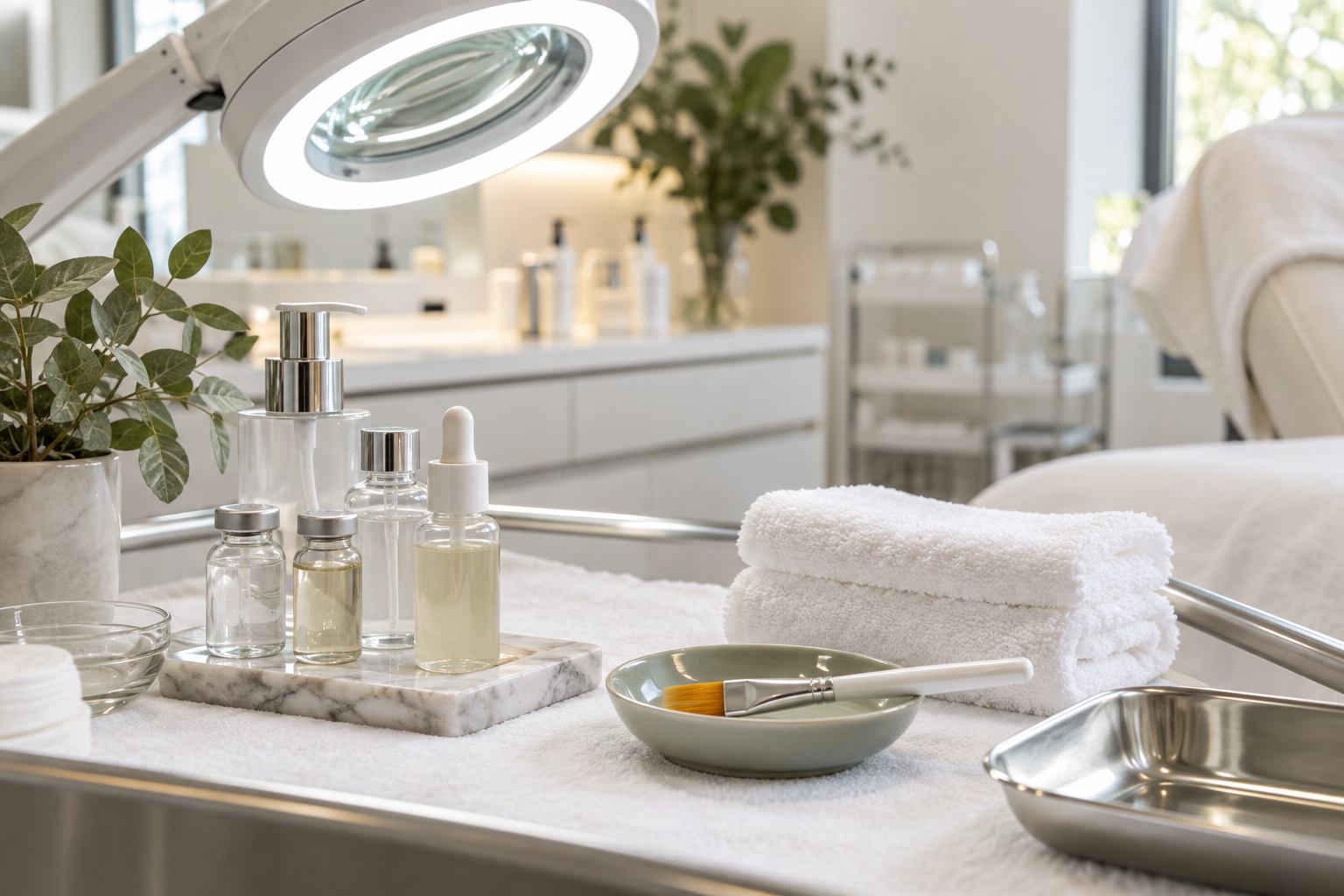
Chemical peels, Hydrafacial and microneedling are three of the most requested treatments at our clinic, and while they can all leave your skin looking fresher, they work in very different ways and are not interchangeable. A chemical peel uses a controlled acid solution to exfoliate the outer layers of skin, helping to fade pigmentation, even out tone and soften fine lines by encouraging new skin to surface. Hydrafacial is a gentler, multi-step treatment that cleanses, exfoliates and extracts congestion from pores before infusing the skin with hydrating serums, making it ideal for instant glow with virtually no downtime. Microneedling uses fine sterile needles to create controlled micro-injuries in the skin, triggering the body’s own collagen and elastin production to improve texture, scarring and firmness over time.
Choosing the right treatment for your concern
The best option depends on what you are trying to address. Active acne, stubborn pigmentation or dull, uneven tone often respond well to a course of chemical peels tailored to your skin type. Dehydrated, congested or tired-looking skin usually benefits most from Hydrafacial, especially before an event when you want visible results with no recovery time. Acne scars, enlarged pores and early signs of skin ageing tend to see the best improvement with microneedling, sometimes combined with PRP for enhanced results. Skin sensitivity, tendency to pigment easily and how much downtime you can accommodate are all part of this decision, which is why an in-person assessment matters more than following a trend.
Whichever treatment is recommended, aftercare plays a big role in the final outcome. Strict sun protection, gentle skincare and avoiding active ingredients like retinol or strong acids for a few days afterward help the skin heal properly and hold on to results for longer. Our dermatologists will always walk you through a personalised aftercare routine and let you know exactly what to expect at each stage, so there are no surprises between sessions.