
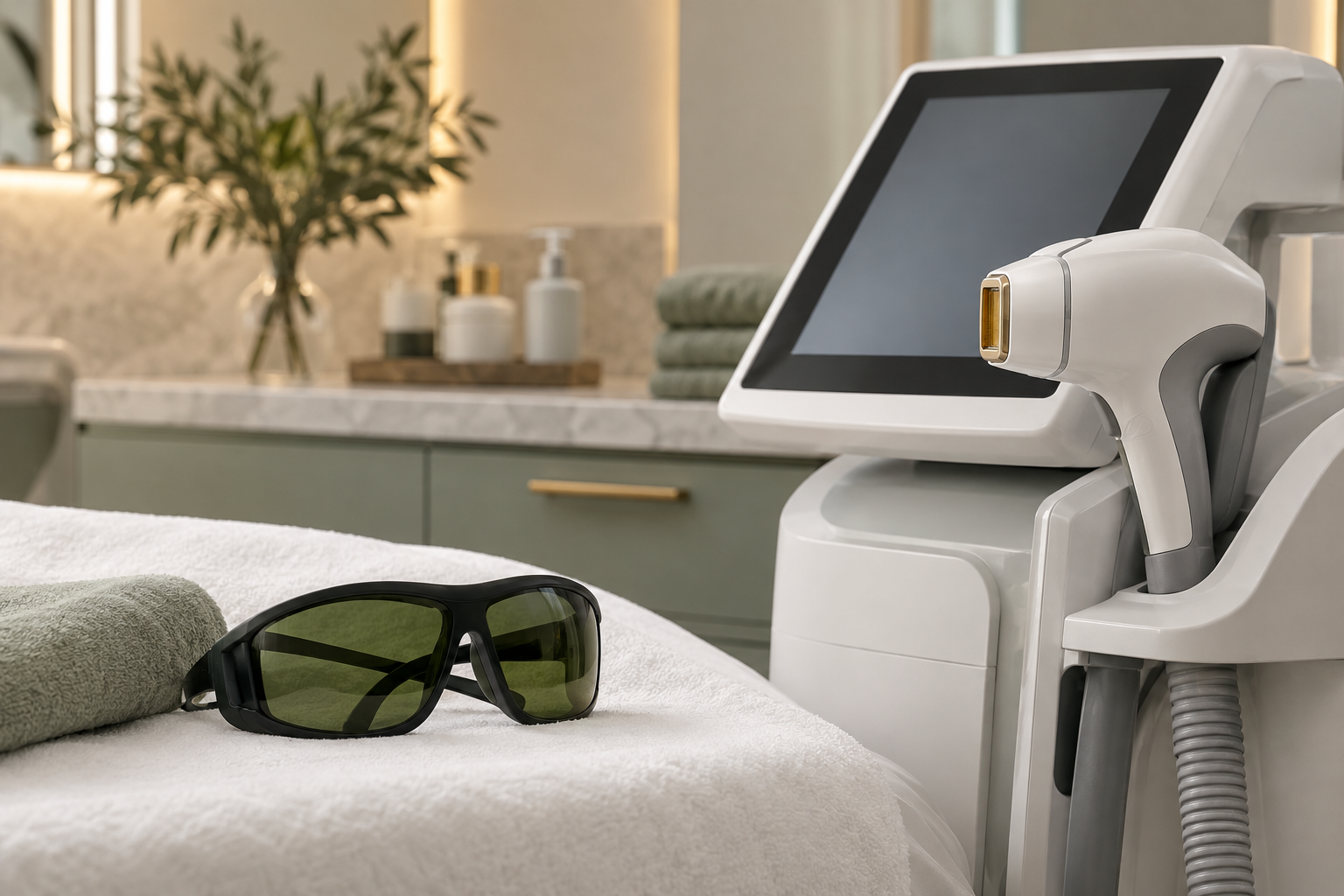
Laser hair reduction has become one of the most popular treatments for long-term reduction of unwanted hair, and for good reason—when done correctly, it offers smoother skin with far less day-to-day effort than shaving or waxing. The treatment works by targeting melanin in the hair follicle with a concentrated beam of light, which damages the follicle enough to slow or stop future growth. Because hair grows in cycles and the laser can only effectively target follicles that are in their active growth phase at the time of treatment, results build up gradually and multiple sessions, usually spaced four to six weeks apart, are needed to cover all the hair in an area.
What affects your results
Not everyone sees identical results, and several factors influence how well and how quickly the treatment works. Hair colour and thickness matter a great deal—darker, coarser hair typically responds faster than fine or light-coloured hair. Skin tone, the area being treated, hormonal factors (which can cause some regrowth over time, particularly in areas like the chin or jawline) and the quality of the laser device itself all play a role. Sticking to the recommended session schedule without long gaps in between also makes a noticeable difference to the final outcome, since skipping sessions allows follicles that were missed to keep cycling normally.
Safety and preparation matter just as much as the technology used. Avoid sun exposure, tanning and waxing or plucking (as opposed to shaving) in the treatment area for at least two weeks before your session, and always disclose any medications, skin conditions or recent tanning to your dermatologist beforehand, since these can affect how your skin responds to the laser. A patch test and a proper consultation before your first session help select safe, effective settings for your specific skin and hair type, which is why laser hair reduction should always be performed under qualified dermatological supervision rather than at an uncertified salon.